Essays
Research
29 May 2026
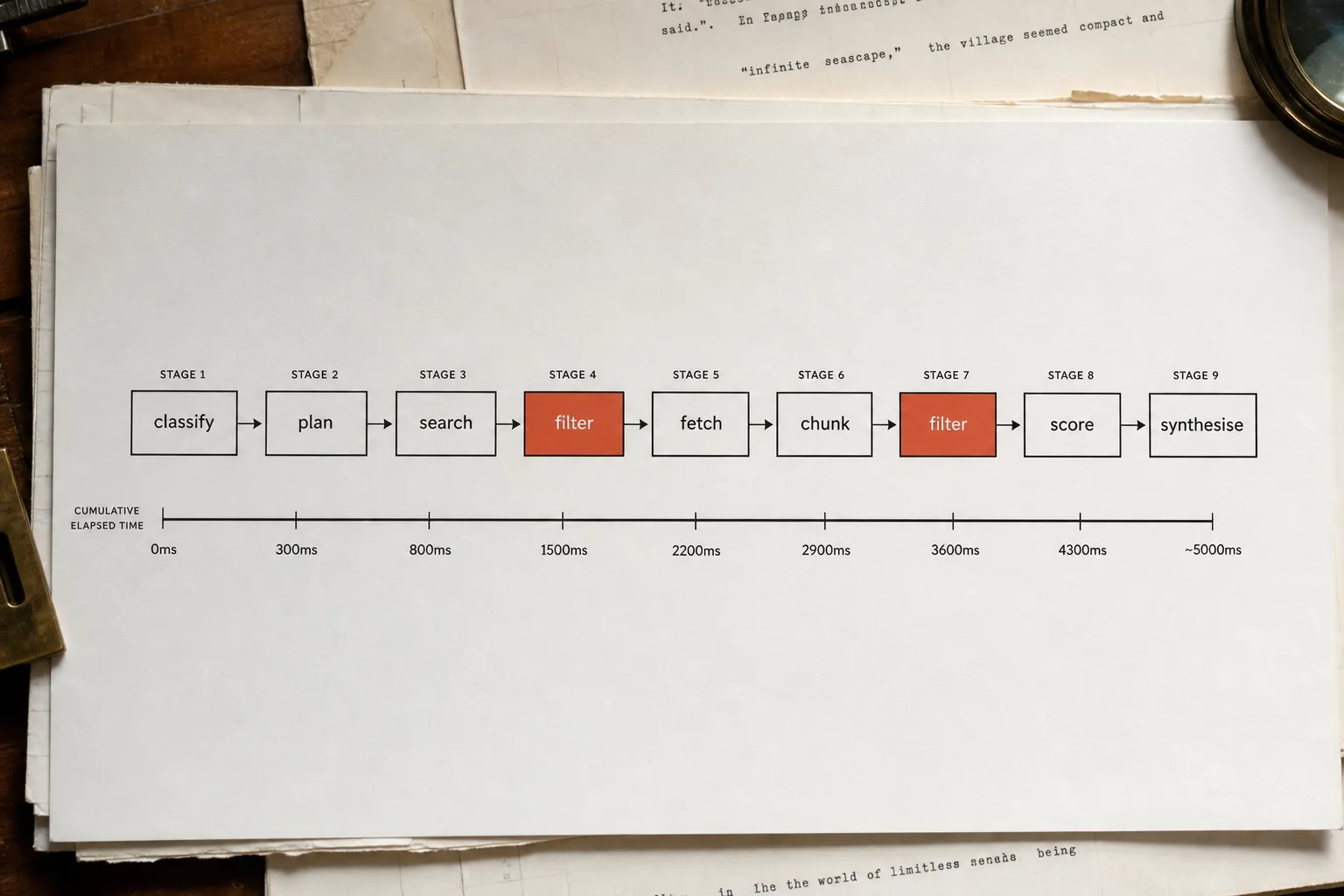
How ChatGPT actually searches the web.
The interface shows one model thinking. What runs underneath is a nine-stage pipeline of classifiers, semantic rewriters, and hard fetch timeouts — and most content never survives it.
AI Search
Research
14 May 2026
The AEO/GEO platform market in 2026: separating dashboards from drivers.
$300M has poured into AI search optimisation tools. Most of it bought monitoring dashboards. Here's how to tell the difference before you sign.
Playbooks
Playbook
3 May 2026
How to optimise your site for AI citations.
AI referral traffic grew 796% in two years and converts higher than organic search - yet only 11% of cited domains appear across multiple platforms. Here is the step-by-step playbook for earning citations from all three.
Agentic Pages
Essay
2 May 2026
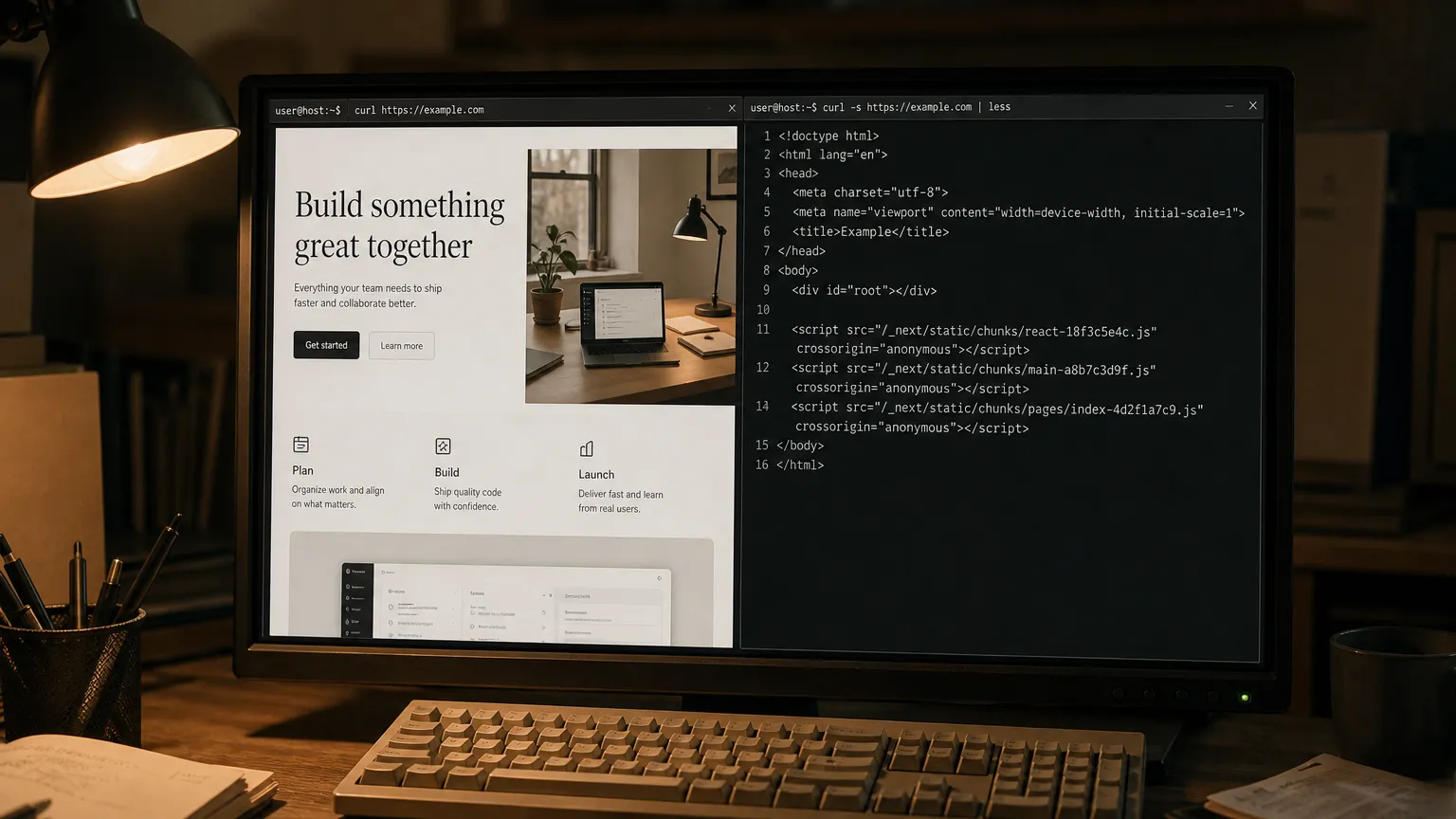
The two-tier web: why agentic pages are the only reliable fix for AI invisibility.
Most GEO advice stops at content. It ignores the moment the crawler arrives - and leaves nothing for it to read.
Agentic Pages
Essay
2 May 2026
The two-audience web: why edge interception is how AEO actually gets done.
LLMs.txt is ignored by every major crawler. Robots.txt is a polite suggestion. The only layer that reliably puts machine-readable content in front of AI - and human content in front of humans - is the edge.
AI Search
Essay
1 May 2026
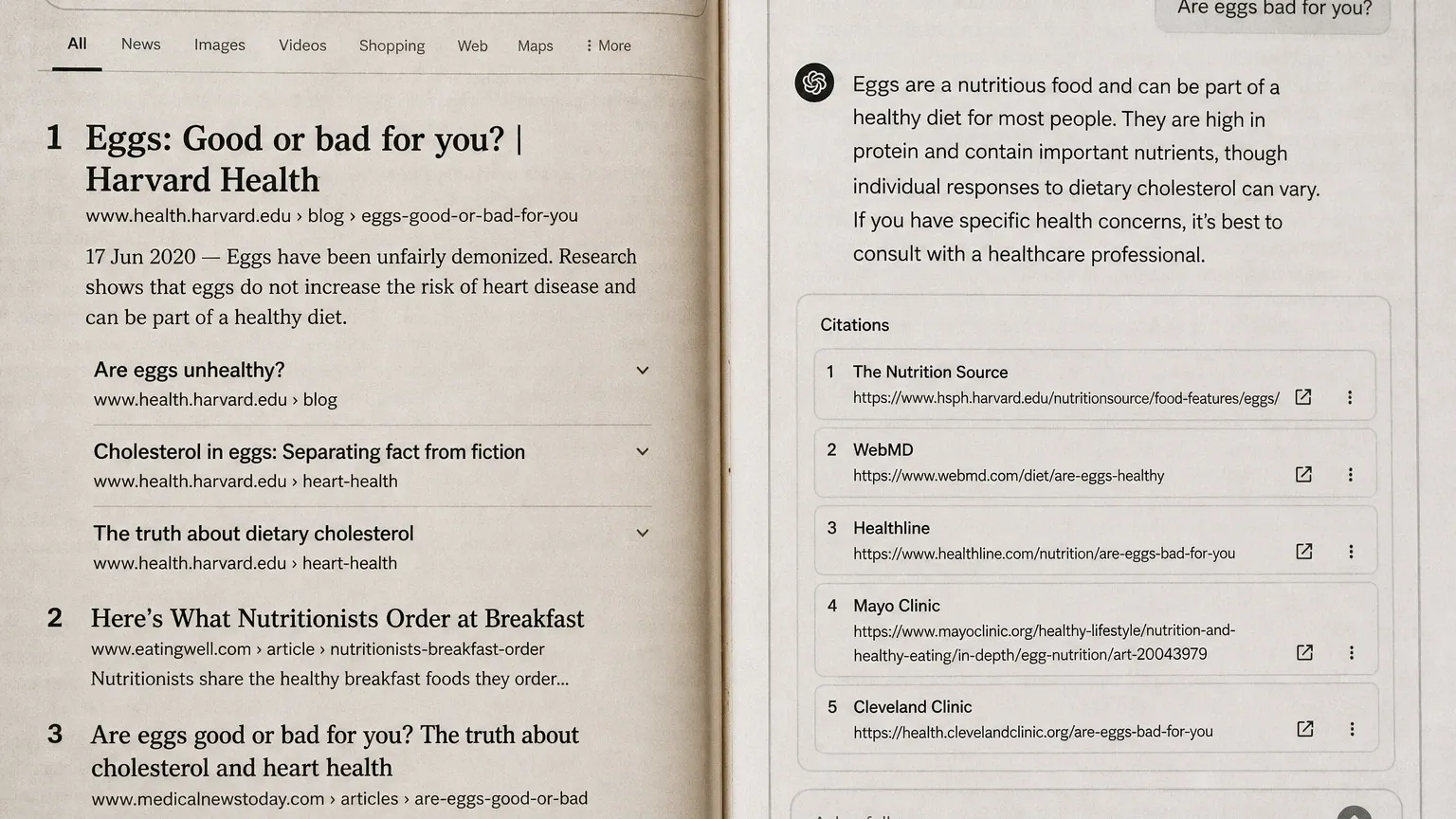
The rank-one delusion: why #1 on Google no longer means cited by AI.
Ahrefs studied 15,000 queries across ChatGPT, Perplexity, and Copilot. Only 12% of cited URLs ranked in Google's top 10. Here is what actually gets you cited instead.
AI Search
Essay
1 May 2026
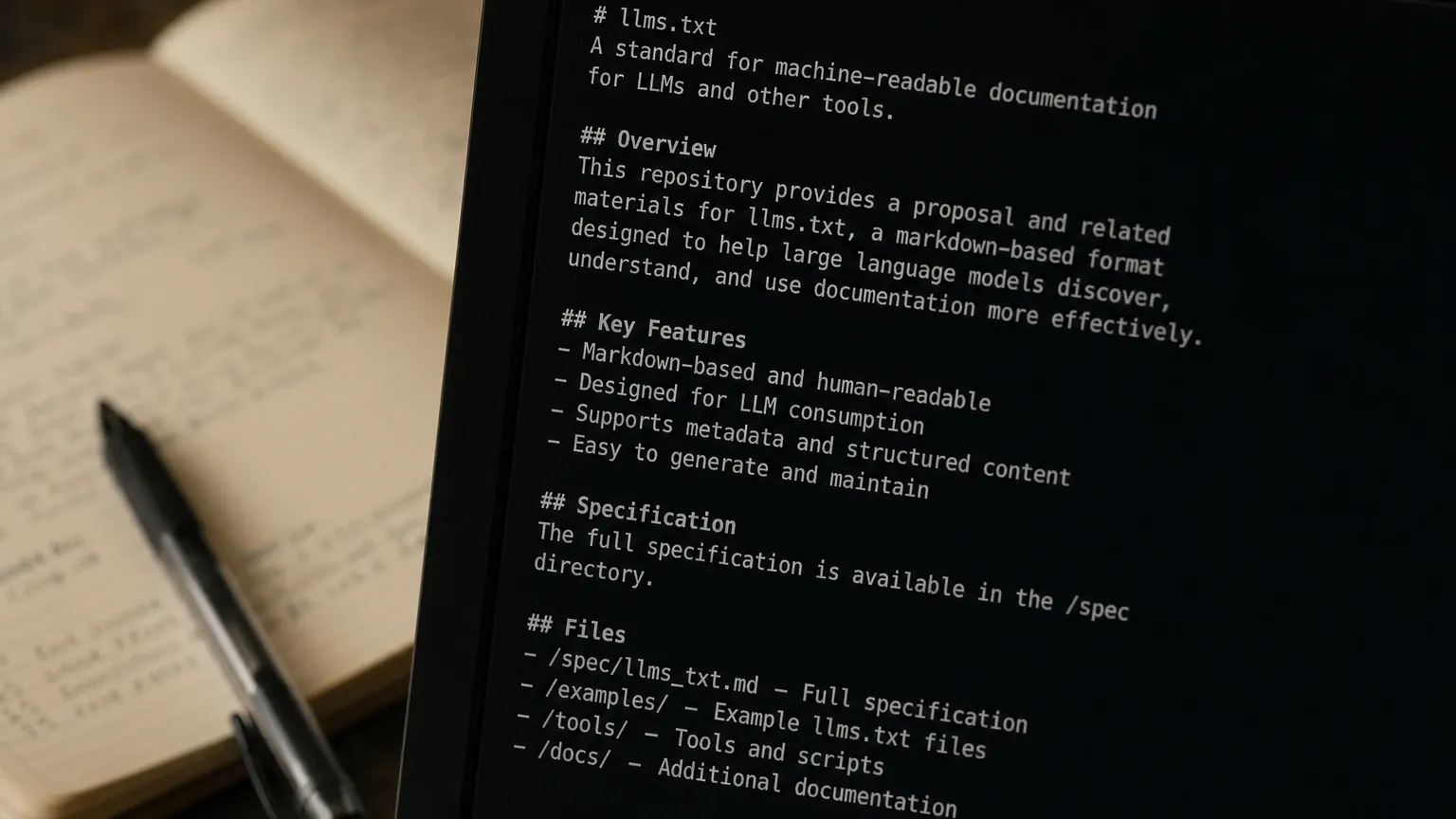
The llms.txt file: useful fiction, or the next robots.txt?
Three independent studies, 300k+ domains, and 90 days of bot-log data have found no measurable link between llms.txt and AI citations. Here's what the evidence actually says - and the narrower case where the file does earn its keep.