The Klove Journal Authored By Michael Shaskey of klove.ai

Updated 14 May 2026

Field notes from the agentic web.

Research, playbooks, and benchmarks on how AI platforms find, read, and cite the brands that show up. Written by Michael Shaskey and the team building Klove — an AEO/GEO optimisation platform that helps brands earn citations from ChatGPT, Perplexity, and Gemini.

Key Takeaways

14 May 2026

9 min read

What does the AEO/GEO platform market look like in 2026?

The AEO/GEO platform market has attracted over $300M in investment, but most of that capital has funded monitoring dashboards rather than tools that actively drive AI citations. Understanding the difference is critical before committing to a vendor.

AEO, or Answer Engine Optimization, refers to the practice of structuring content so that AI-powered answer engines — such as ChatGPT, Perplexity, and Google's AI Overviews — can extract, summarise, and cite it. GEO, or Generative Engine Optimization, is a closely related discipline focused on maximising brand visibility within generative AI outputs. According to research from Princeton University's GEO study (2024), content structured with citation-grade specificity, authoritative sources, and direct-answer patterns is disproportionately cited by generative engines. Furthermore, the distinction between passive monitoring and active optimisation platforms is growing sharper as the market matures.

Michael Shaskey

Founder · Klove

Read the full report

What are the latest insights on AI search and the agentic web?

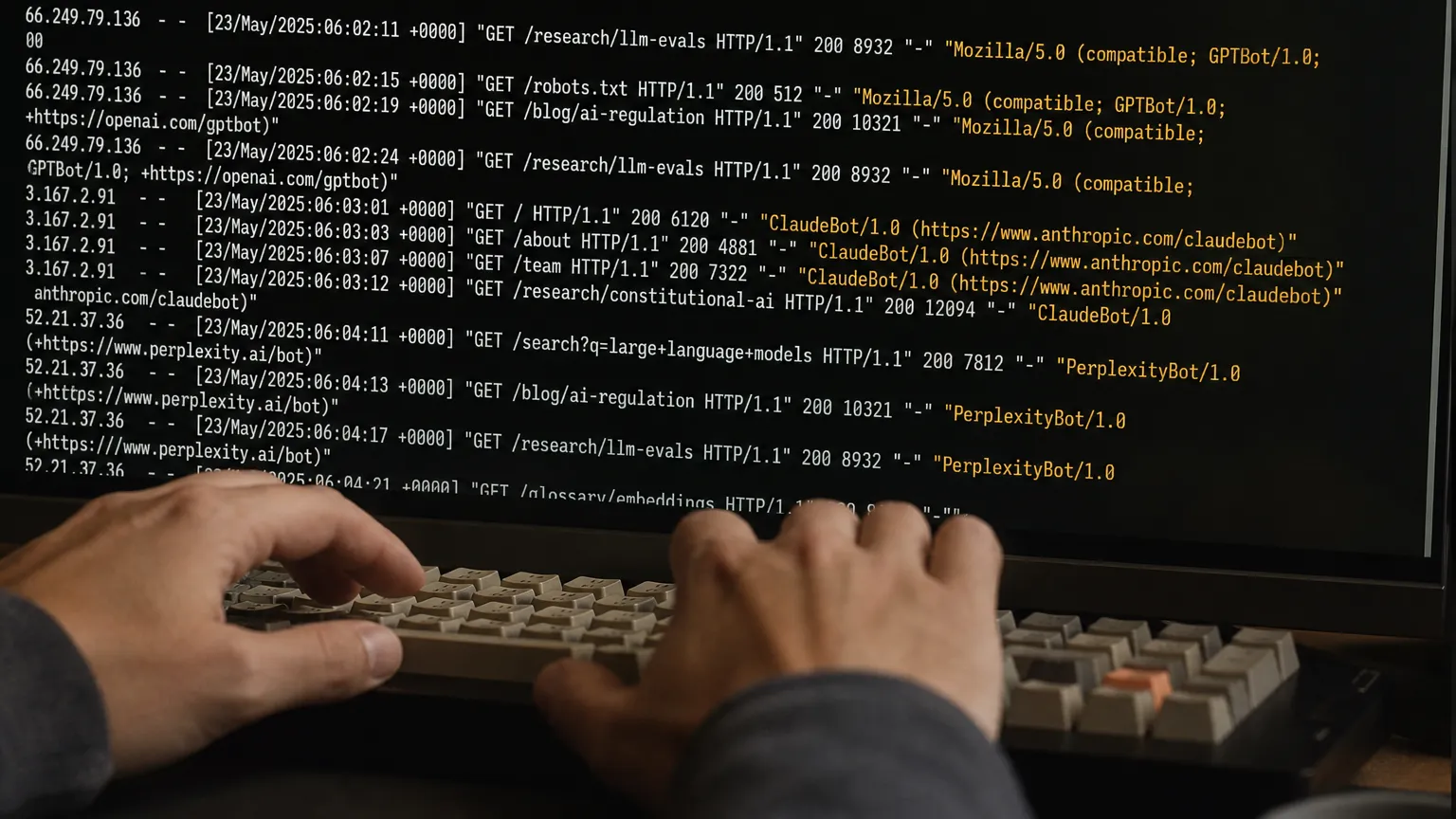
The Klove Journal publishes research, playbooks, and essays exploring how AI crawlers discover, read, and cite web content. Below are the most recent articles, covering AI citation optimisation, agentic pages, edge interception, and the gap between Google rank and AI visibility.

3 May 2026

How to optimise your site for AI citations.

AI referral traffic grew 796% in two years and converts higher than organic search — yet only 11% of cited domains appear across multiple platforms. According to data compiled by Klove, cross-platform citation coverage remains rare. In addition, the playbook below walks through the step-by-step process for earning citations from ChatGPT, Perplexity, and Google AI Overviews.

11 min read · Michael Shaskey

2 May 2026

The two-tier web: why agentic pages are the only reliable fix for AI invisibility.

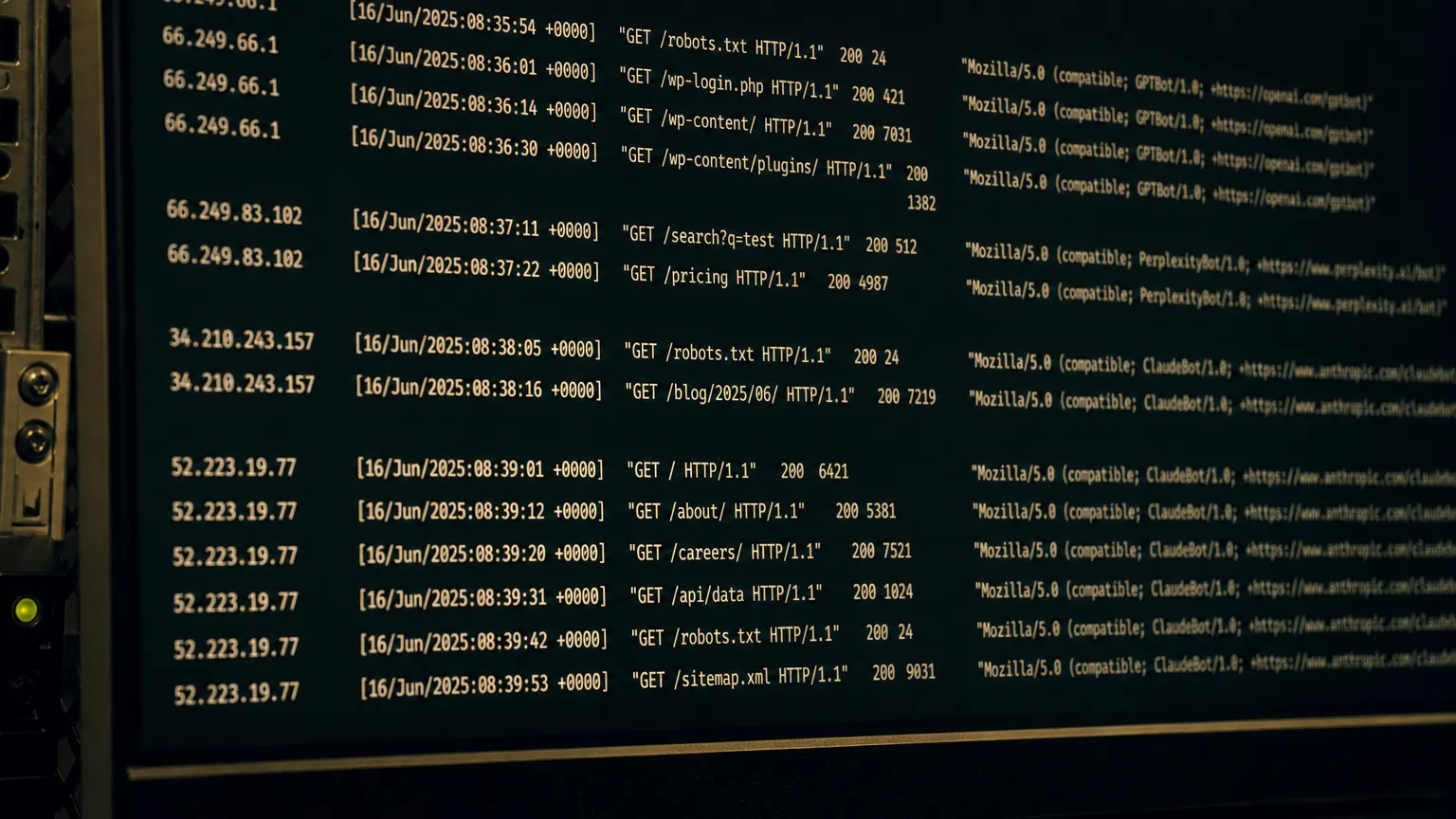
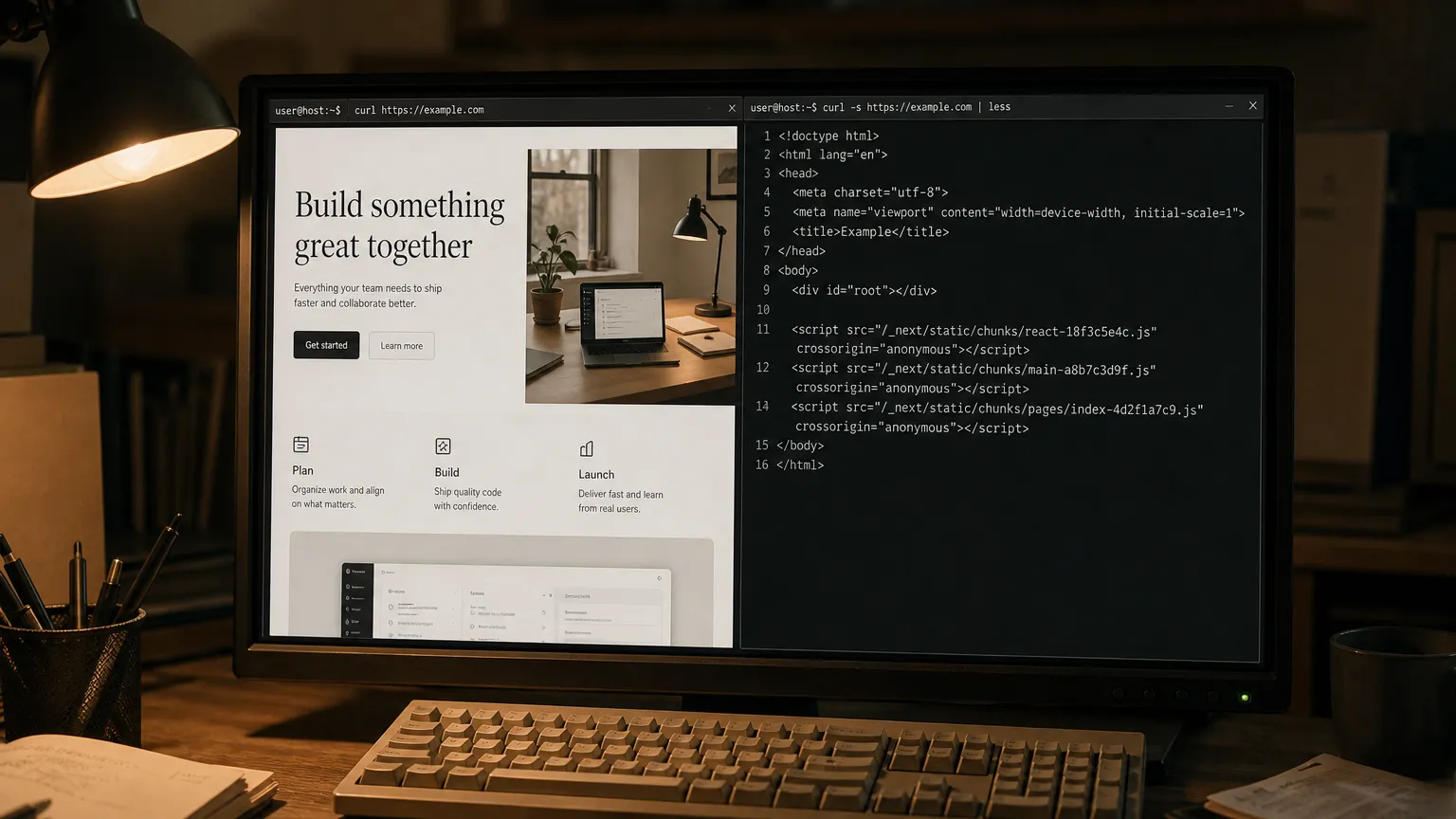
Most GEO advice stops at content. However, it ignores the moment the crawler arrives — and leaves nothing for it to read. Agentic pages refer to a dedicated machine-optimised content layer that sits alongside human-facing pages, ensuring AI crawlers such as GPTBot and PerplexityBot receive structured, citable content on every visit.

10 min read · Michael Shaskey

2 May 2026

The two-audience web: why edge interception is how AEO actually gets done.

Edge interception is defined as the practice of detecting AI crawler requests at the CDN or edge layer and serving them a machine-readable version of a page, while human visitors receive the standard experience. LLMs.txt is ignored by every major crawler. Robots.txt is a polite suggestion. As a result, the only layer that reliably puts machine-readable content in front of AI — and human content in front of humans — is the edge.

11 min read · Michael Shaskey

1 May 2026

The rank-one delusion: why #1 on Google no longer means cited by AI.

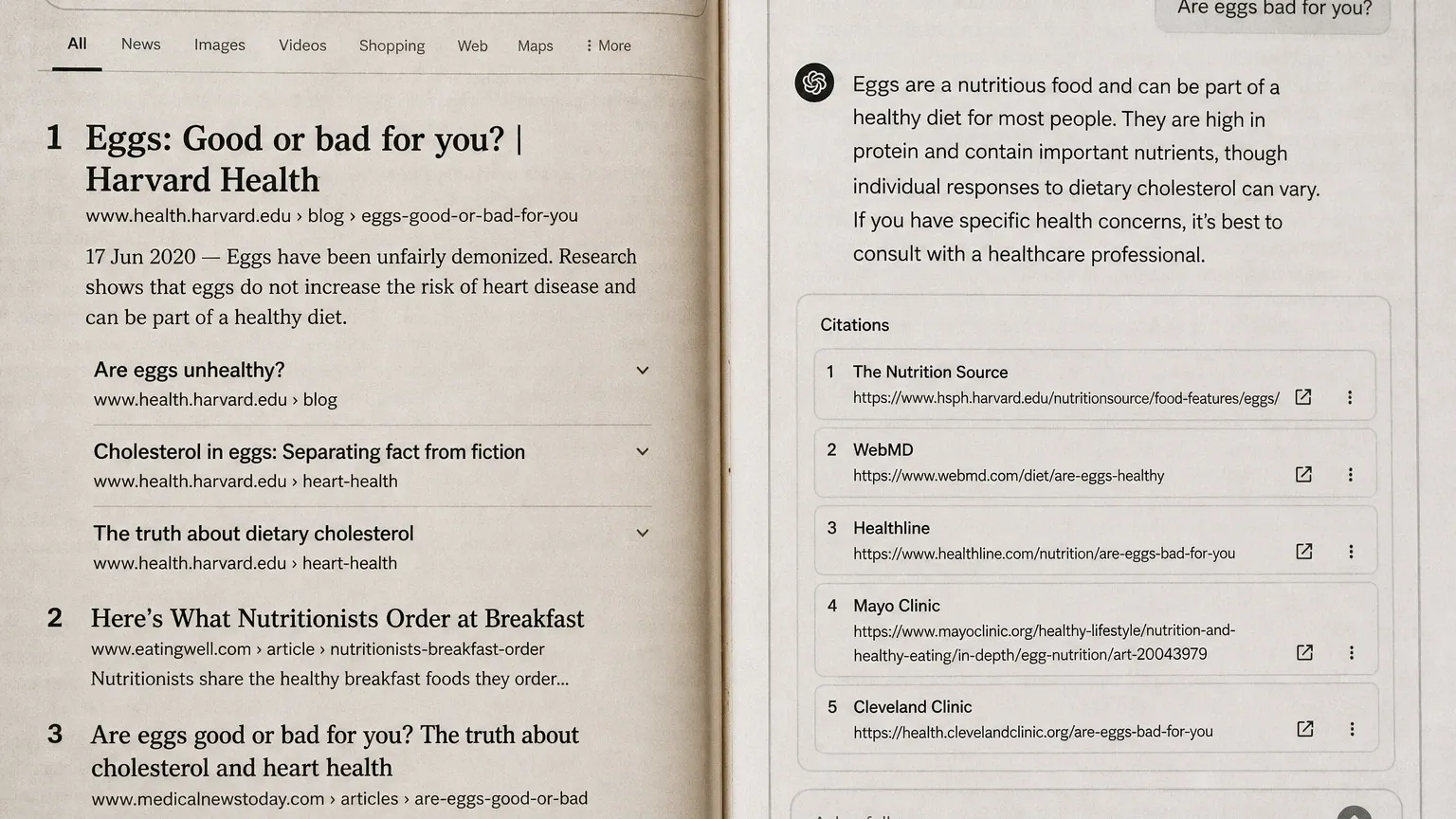
According to an Ahrefs study of 15,000 queries across ChatGPT, Perplexity, and Copilot, only 12% of cited URLs ranked in Google's top 10. Therefore, traditional SEO rankings are not a reliable proxy for AI citation performance. The essay explores what actually drives AI engines to cite a page instead.

10 min read · Michael Shaskey

1 May 2026

The llms.txt file: useful fiction, or the next robots.txt?

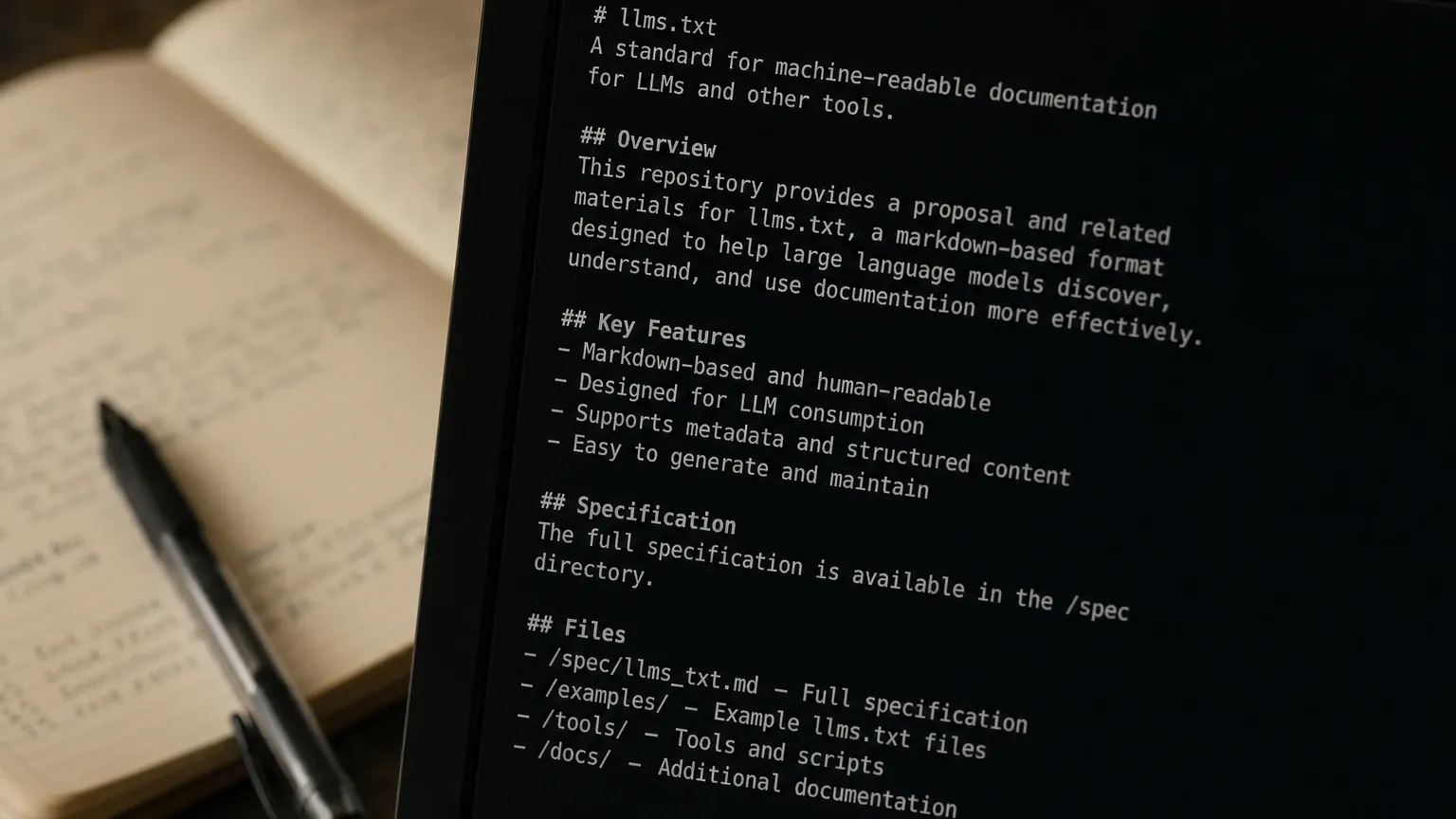
Three independent studies, 300k+ domains, and 90 days of bot-log data have found no measurable link between llms.txt and AI citations. In contrast, the file may still serve a narrower purpose for internal documentation or niche developer-tool sites. The essay examines the evidence and identifies the specific conditions where llms.txt does earn its keep.

10 min read · Michael Shaskey

Our favourite reads

01 — How to optimise your site for AI citations. · 11 min read · 3 May 2026

02 — The two-tier web: why agentic pages are the only reliable fix for AI invisibility. · 10 min read · 2 May 2026

03 — The two-audience web: why edge interception is how AEO actually gets done. · 11 min read · 2 May 2026

04 — The rank-one delusion: why #1 on Google no longer means cited by AI. · 10 min read · 1 May 2026

The agentic web reading list, hand-picked.

3 essays · 32 min total

01 — How to optimise your site for AI citations.

11 min read

02 — The two-tier web: why agentic pages are the only reliable fix for AI invisibility.

10 min read

03 — The two-audience web: why edge interception is how AEO actually gets done.

11 min read

How can I stay updated on the agentic web?

The Klove Letter is a biweekly newsletter — one letter, every other Friday — delivering field notes, benchmarks, and analysis from the agentic web directly to your inbox. Each issue covers developments in AI search, AEO/GEO strategy, and crawler behaviour observed across ChatGPT, Perplexity, and Google AI Overviews.

Klove Journal: AEO and the Agentic Web — Comparison of Key Concepts

Comparison of key AI visibility concepts covered in the Klove Journal

Concept

Definition

Key Finding

AEO (Answer Engine Optimization)

Structuring content so AI answer engines can extract and cite it

According to Princeton GEO research, question-framed headings with direct answers are disproportionately cited

Agentic Pages

Machine-optimised content layers served alongside human-facing pages

Only reliable fix when crawlers arrive and find nothing machine-readable

Edge Interception

Detecting AI crawlers at the CDN layer and serving machine-readable content

Only layer that reliably differentiates between AI and human visitors

llms.txt

A proposed file for communicating site structure to LLMs

No measurable citation impact across 300k+ domains and 90 days of bot-log data

Google Rank ≠ AI Citation

Traditional search rankings do not predict AI citation behaviour

Only 12% of AI-cited URLs ranked in Google's top 10 (Ahrefs, 15,000 queries)

"AI referral traffic grew 796% in two years and converts higher than organic search — yet only 11% of cited domains appear across multiple platforms."— Michael Shaskey, Founder, Klove (AI Citations Playbook, May 2026)

Frequently Asked Questions

What is the difference between AEO and GEO?

AEO (Answer Engine Optimization) refers to optimising content for AI-powered answer engines like ChatGPT and Perplexity, while GEO (Generative Engine Optimization) focuses on maximising visibility within generative AI outputs more broadly. In practice, AEO emphasises structured, citable answers; GEO encompasses the wider strategy of appearing in any AI-generated response. Both disciplines overlap significantly — the Klove Journal treats them as complementary.

Does ranking #1 on Google guarantee AI citations?

No. According to an Ahrefs study of 15,000 queries across ChatGPT, Perplexity, and Copilot, only 12% of cited URLs ranked in Google's top 10. AI engines select sources based on content structure, citation density, and answer clarity — not traditional search rank. A page at position 30 on Google can outperform position 1 in AI citations if it is better structured for extraction.

What are agentic pages and when should I use them?

Agentic pages are machine-optimised content layers that sit alongside a site's human-facing pages. They are designed so AI crawlers — including GPTBot, ClaudeBot, and PerplexityBot — receive structured, citable content on every visit. Sites should consider agentic pages when their existing pages rely heavily on JavaScript rendering, interactive elements, or visual layouts that crawlers cannot parse. The Klove Journal's two-tier web essay covers implementation in detail.

Does an llms.txt file help with AI visibility?

Current evidence suggests it does not. Three independent studies across 300k+ domains and 90 days of bot-log data found no measurable correlation between llms.txt and AI citations. However, the file may still be useful for internal documentation sites or developer-tool platforms where crawlers explicitly request it. For most commercial sites, edge interception is a more reliable approach.

How often does the Klove Journal publish new research?

The Klove Journal publishes articles on a rolling basis — typically several essays and playbooks per month. Additionally, The Klove Letter, a biweekly newsletter sent every other Friday, delivers condensed field notes, benchmarks, and one sharp opinion per issue. All articles are written by Michael Shaskey and the Klove team.